As more people prioritize healthier lifestyles and environmentally conscious choices, organic coffee has become increasingly popular. But is it really better than conventional coffee?
The answer isn’t always straightforward. Both organic and conventional coffee can produce delicious, high-quality cups, but they differ in how they’re grown, processed, and certified.
Understanding these differences will help you make an informed decision based on your taste preferences, health goals, and values.
What Is Organic Coffee?
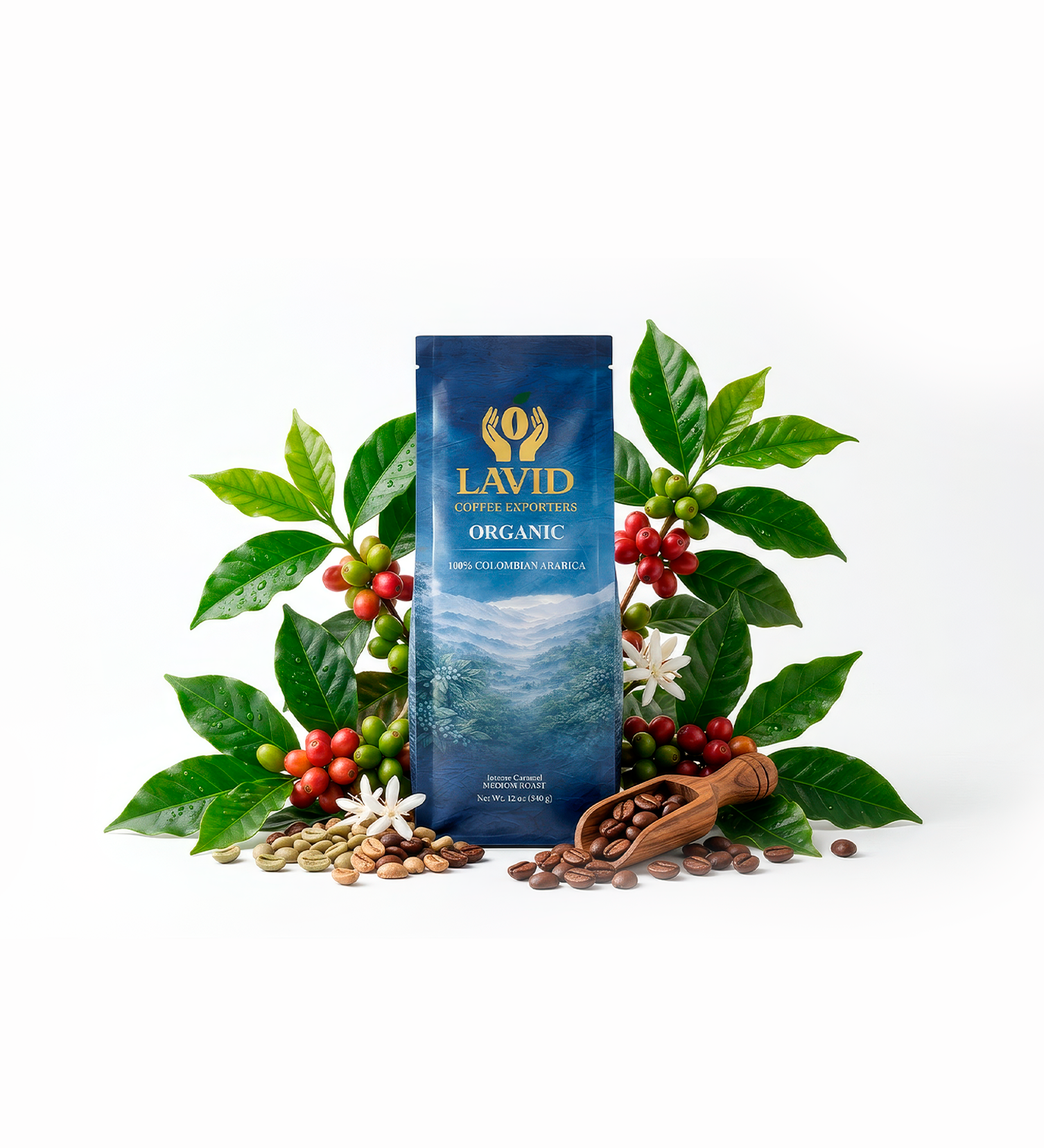
Organic coffee is grown using farming practices that avoid synthetic pesticides, chemical fertilizers, herbicides, and genetically modified organisms (GMOs).
Instead, organic coffee farmers rely on natural methods to protect crops and maintain soil health, such as composting, crop rotation, and biological pest control.
To be labeled as organic in the United States, coffee must meet strict certification standards established by the USDA.
What Is Conventional Coffee?
Conventional coffee is grown using traditional farming methods that may include synthetic fertilizers, pesticides, and herbicides to maximize crop production and protect plants from pests.
These farming practices are widely used around the world and help producers achieve higher yields, making conventional coffee more accessible and affordable.
It’s important to note that conventional coffee can still be high quality, especially when grown and roasted with care.
The Main Differences Between Organic and Conventional Coffee
Farming Practices
Organic Coffee
- No synthetic pesticides
- No chemical fertilizers
- No GMOs
- Natural weed control
- Soil regeneration practices
Conventional Coffee
- May use synthetic fertilizers
- May use approved pesticides
- Higher production efficiency
- Greater protection against pests
- Larger-scale farming
Taste: Is Organic Coffee Better?
One of the biggest misconceptions is that organic coffee automatically tastes better.
The truth is that flavor depends on many factors, including:
- Coffee variety
- Growing altitude
- Soil quality
- Climate
- Harvesting methods
- Roasting process
An expertly roasted conventional coffee can taste exceptional, while an organic coffee can vary depending on how it’s produced.
However, many coffee enthusiasts appreciate organic coffee because sustainable farming often encourages healthier soil, which may contribute to more complex flavor development.
Health Considerations
Many people choose organic coffee because they want to reduce their exposure to synthetic agricultural chemicals.
Organic farming limits the use of artificial pesticides and fertilizers, giving consumers greater confidence in how their coffee was produced.
Coffee itself is naturally rich in antioxidants and beneficial plant compounds, regardless of whether it is organic or conventional.
The key is choosing high-quality beans that are freshly roasted.
Environmental Impact
One of the greatest advantages of organic coffee is its focus on environmental sustainability.
Organic farms often promote:
- Biodiversity
- Healthy soil
- Water conservation
- Wildlife protection
- Reduced chemical runoff
These practices help preserve ecosystems while supporting long-term agricultural health.
Conventional farming has also made significant advances in sustainability, and many producers continue adopting environmentally responsible practices even without organic certification.
Coffee Quality Depends on More Than Certification
Organic certification is valuable, but it is not the only indicator of excellent coffee.
Other important quality factors include:
- Specialty-grade beans
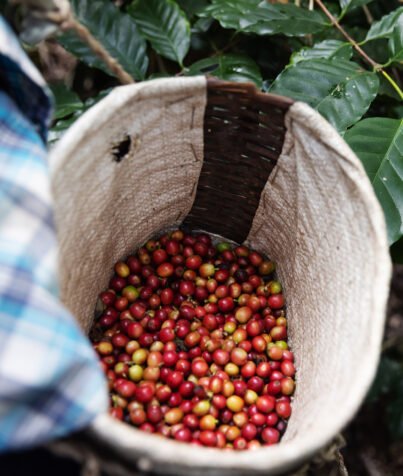
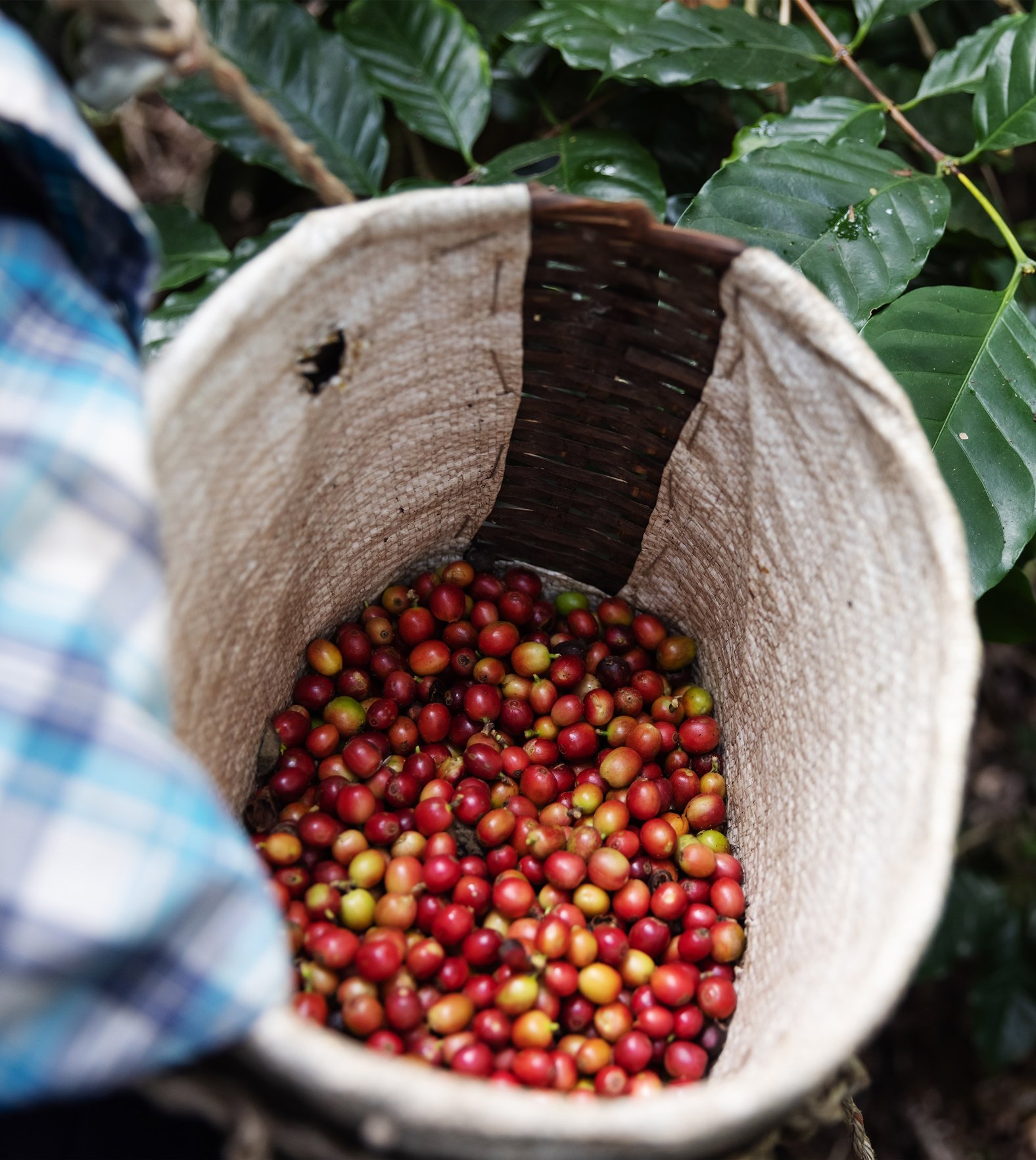
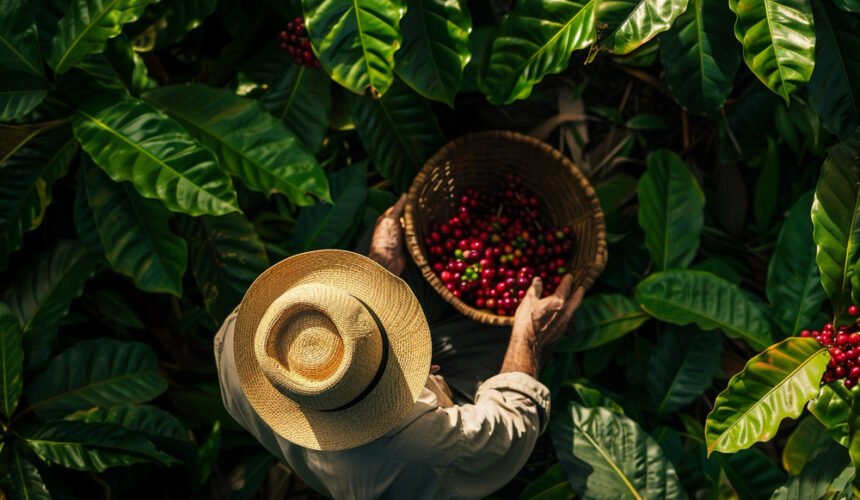
- Hand-picked cherries
- Proper processing
- Fresh roasting
- Careful storage
Many award-winning coffees are recognized because of their exceptional craftsmanship rather than certification alone.
Is Organic Coffee More Expensive?
In many cases, yes.
Organic coffee often costs more because:
- Certification is expensive.
- Organic farming requires more labor.
- Crop yields may be lower.
- Natural pest management takes additional effort.
For many consumers, the higher price reflects both sustainable farming practices and the additional work involved in production.
Which Coffee Is Better for the Environment?
Organic farming generally has a smaller environmental footprint due to its reduced reliance on synthetic chemicals.
Benefits include:
- Improved soil health
- Cleaner water systems
- Greater biodiversity
- Better habitats for birds and pollinators
- Reduced chemical pollution
Supporting farms that prioritize sustainability—whether certified organic or not—helps protect coffee-growing regions for future generations.
Does Organic Coffee Contain More Antioxidants?
Current research suggests that both organic and conventional coffee are excellent sources of antioxidants.
The antioxidant content depends more on factors such as:
- Bean variety
- Roast level
- Freshness
- Brewing method
Rather than focusing solely on certification, choosing freshly roasted premium coffee will often have a greater impact on flavor and overall quality.
How to Choose the Right Coffee
When selecting your next bag of coffee, consider these questions:
- Do you value environmentally friendly farming?
- Are you looking for certified organic products?
- Do you prefer specialty coffee?
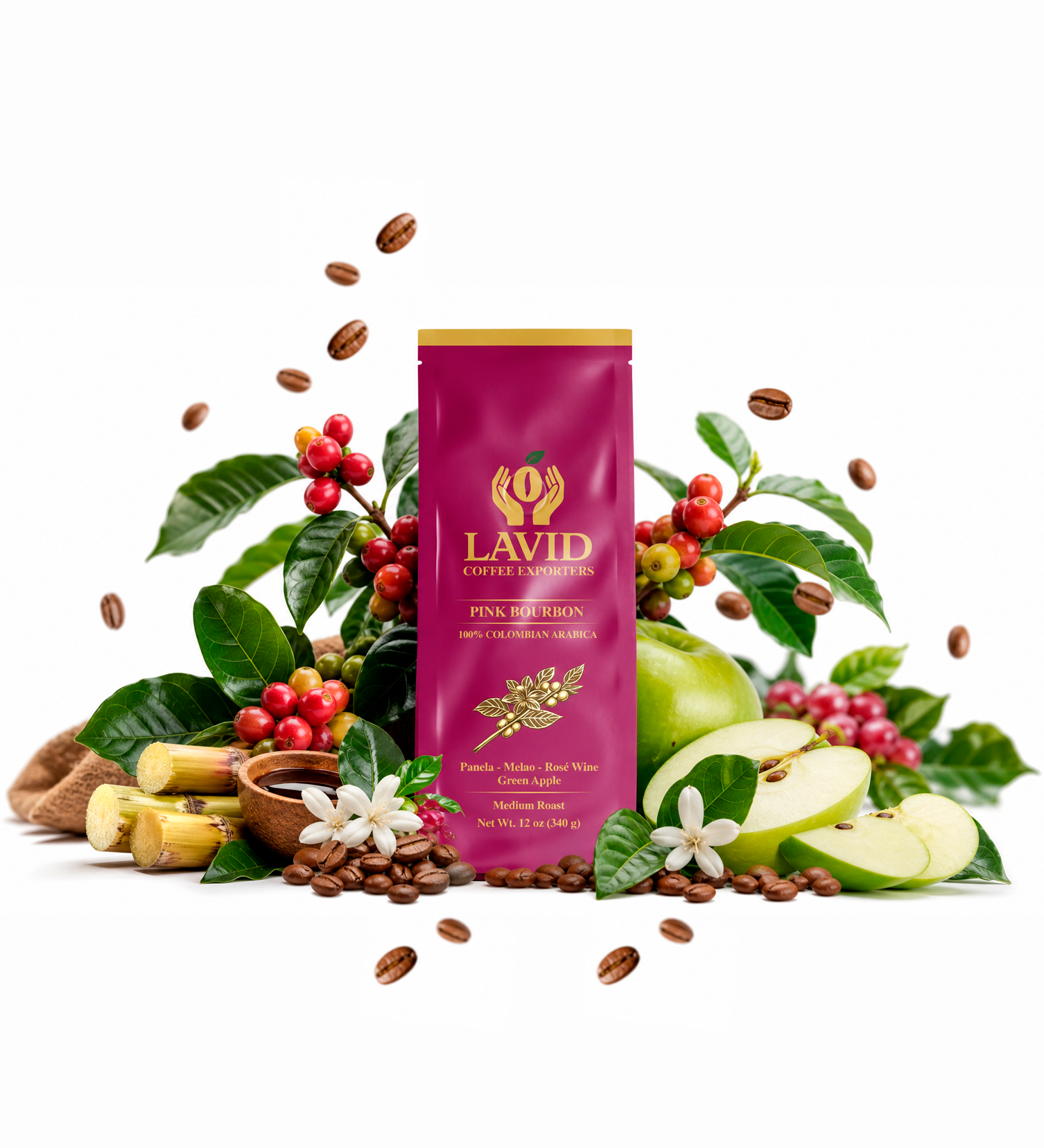
- Do you enjoy fruity, bright flavors or rich chocolate notes?
- Is freshness important to you?
Answering these questions will help you find a coffee that fits both your lifestyle and your taste preferences.
Why Freshness Matters More Than Labels
Whether you choose organic or conventional coffee, freshness remains one of the biggest factors affecting flavor.
Coffee begins losing its aromatic compounds shortly after roasting.
Freshly roasted beans deliver:
- Richer aroma
- Better sweetness
- Fuller body
- Cleaner finish
- More vibrant flavor
Buying from trusted roasters who roast in small batches ensures a consistently enjoyable cup.
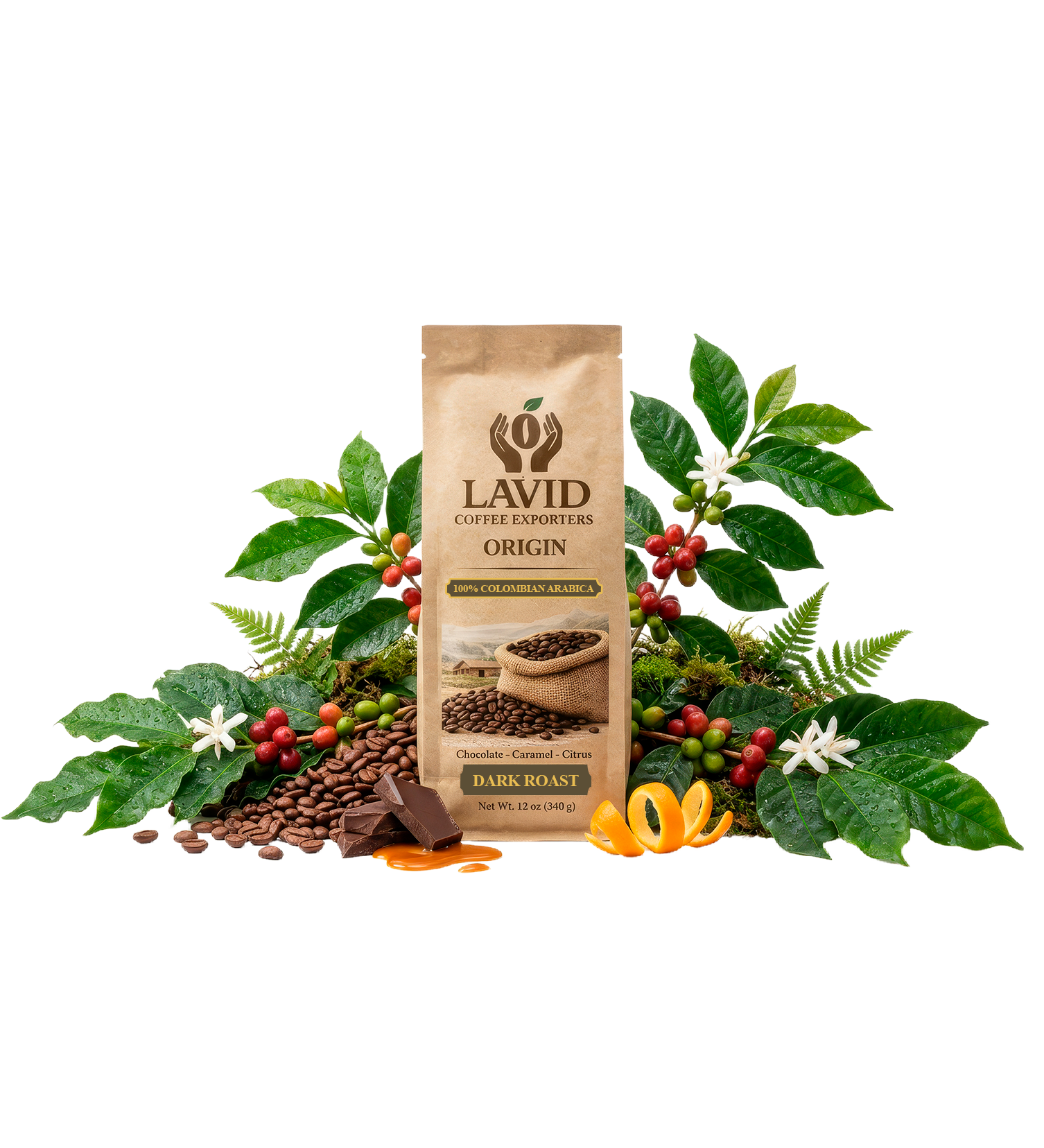
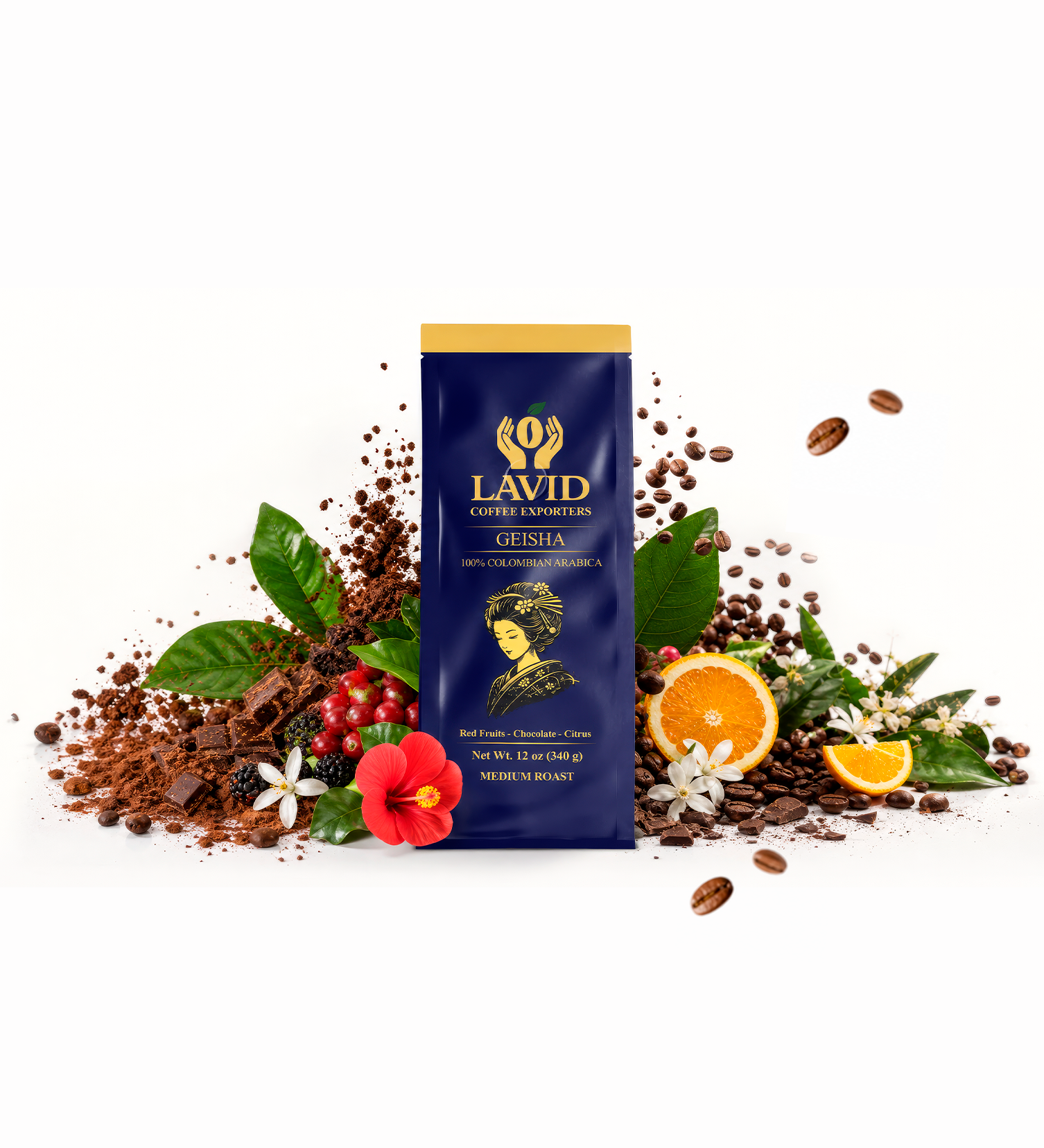
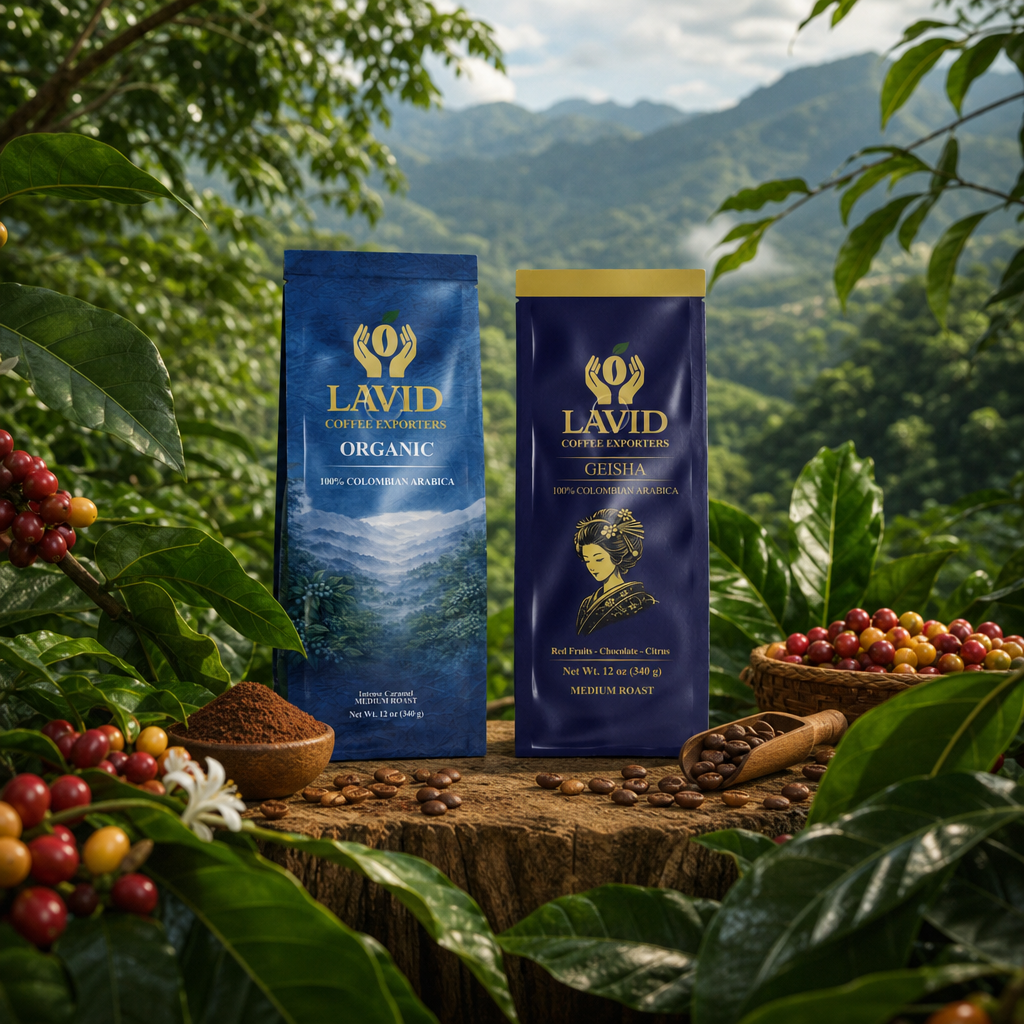
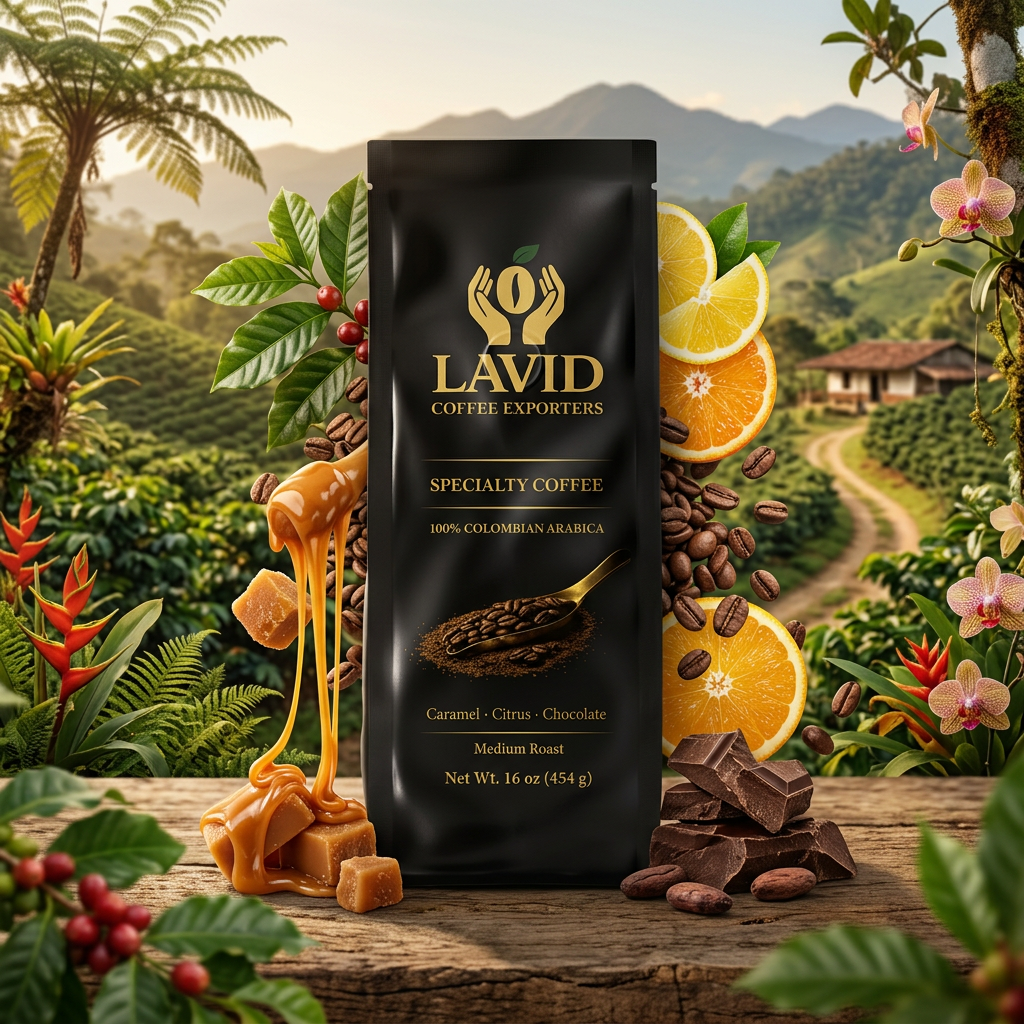
Experience Premium Colombian Coffee with Coffee Lavid
At Coffee Lavid, we believe that outstanding coffee starts with exceptional beans, careful cultivation, and expert roasting.
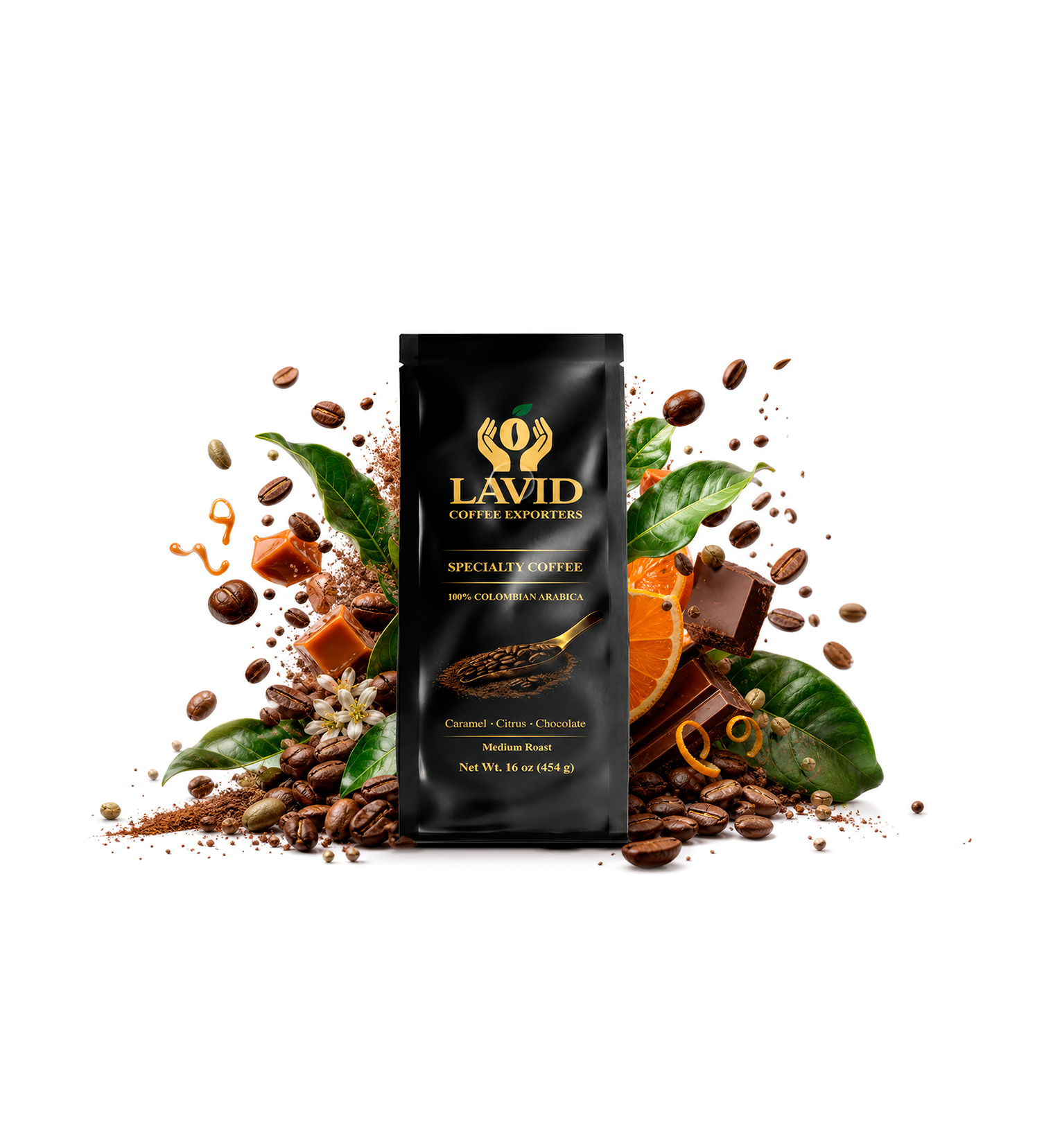
Our Colombian coffees are selected from farms that prioritize quality, sustainability, and responsible farming practices. Every roast is crafted to preserve the beans’ natural sweetness, balanced acidity, and rich aroma.
Whether you’re exploring specialty coffee for the first time or searching for your next favorite brew, Coffee Lavid offers an authentic Colombian coffee experience you’ll enjoy every day.
Choosing between organic and conventional coffee comes down to your personal priorities. Organic coffee appeals to those who value environmentally friendly farming and certified production practices, while conventional coffee continues to offer outstanding quality and accessibility.
No matter which you choose, the most rewarding cup comes from carefully grown beans, thoughtful roasting, and proper brewing.
At Coffee Lavid, we’re passionate about delivering premium Colombian coffee that celebrates craftsmanship, freshness, and unforgettable flavor—one cup at a time.